Best time to visit NIHI Sumba: month-by-month guide
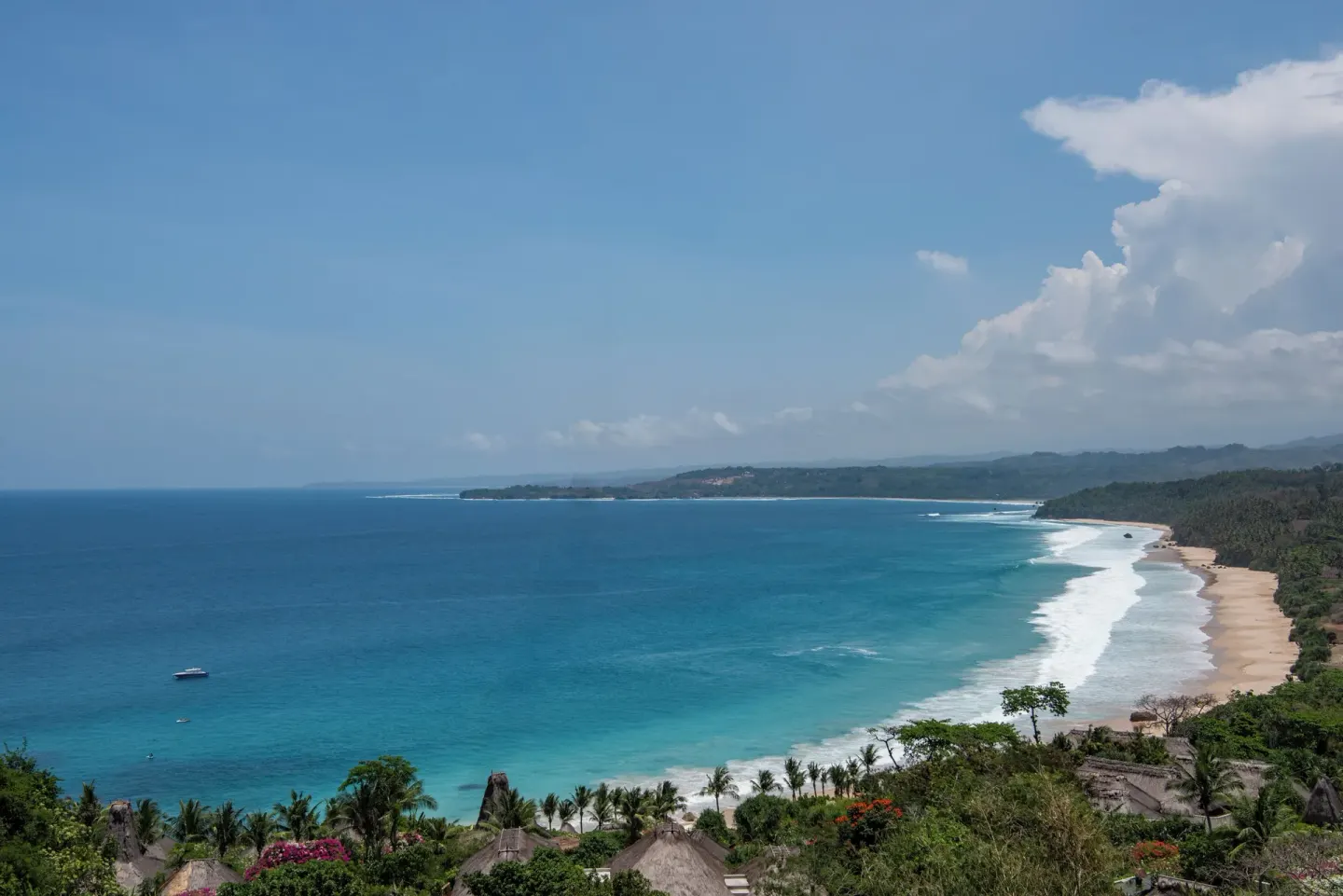
The best time to visit NIHI Sumba depends on what you want: for the most reliable dry weather, beach time, horse rides and surf, visit between May and October (peak reliability June–September). If you want greener landscapes, fuller waterfalls and to time the Pasola festival, plan a trip in the wet-season/transition months (February–April), but expect more rain and less predictable road access.
In this guide
Seasons at a glance
Sumba has a dry season roughly May–October and a wet season roughly November–April. Dry months give sunnier skies, lower humidity and more predictable beach and outdoor activity conditions.
Wet months bring heavier rains (especially December–February), higher humidity and greener scenery with fuller waterfalls — good for inland excursions that focus on waterfalls and village visits but less predictable for boat trips or long drives.
- Dry season: May–October — best for beaches, surfing, horse rides, snorkeling (more reliable conditions)
- Wet season: November–April — more rain, lush scenery, waterfalls at their best
- Transitional window for waterfalls and cultural events: February–April (includes Pasola in many years)
| Season | Typical months | What it favors |
|---|---|---|
| Dry | May–October | Beach activities, surf, stable roads |
| Wet | November–April | Lush landscapes, waterfalls, possible heavy rain |
| Transition (Pasola) | Feb–Mar/Apr | Cultural festivals; check local dates |
January–March: festival season and greener landscapes
January–March is in the wet-season window; expect higher chance of rain and humidity. Road conditions can change quickly after heavy downpours, so plan excursions with flexibility.
Pasola — the mounted spear ritual in West Sumba (including Wanokaka) — usually falls in February or March based on a local lunar calendar. Exact dates are announced locally, so confirm timing before booking if you want to attend.
- Best for: catching Pasola (if dates align), seeing waterfalls at their fullest
- Not ideal for: guaranteed beach weather, long overland transfers
- Tip: allow extra travel time for road transfers and confirm excursion availability
| Activity | Likelihood Jan–Mar |
|---|---|
| Pasola festival | Possible (dates vary year to year) |
| Waterfall visits (Lapopu/Matayangu) | Excellent — falls are fuller |
| Beach/surf days | Less predictable due to rain |
April–June: transition into drier weather
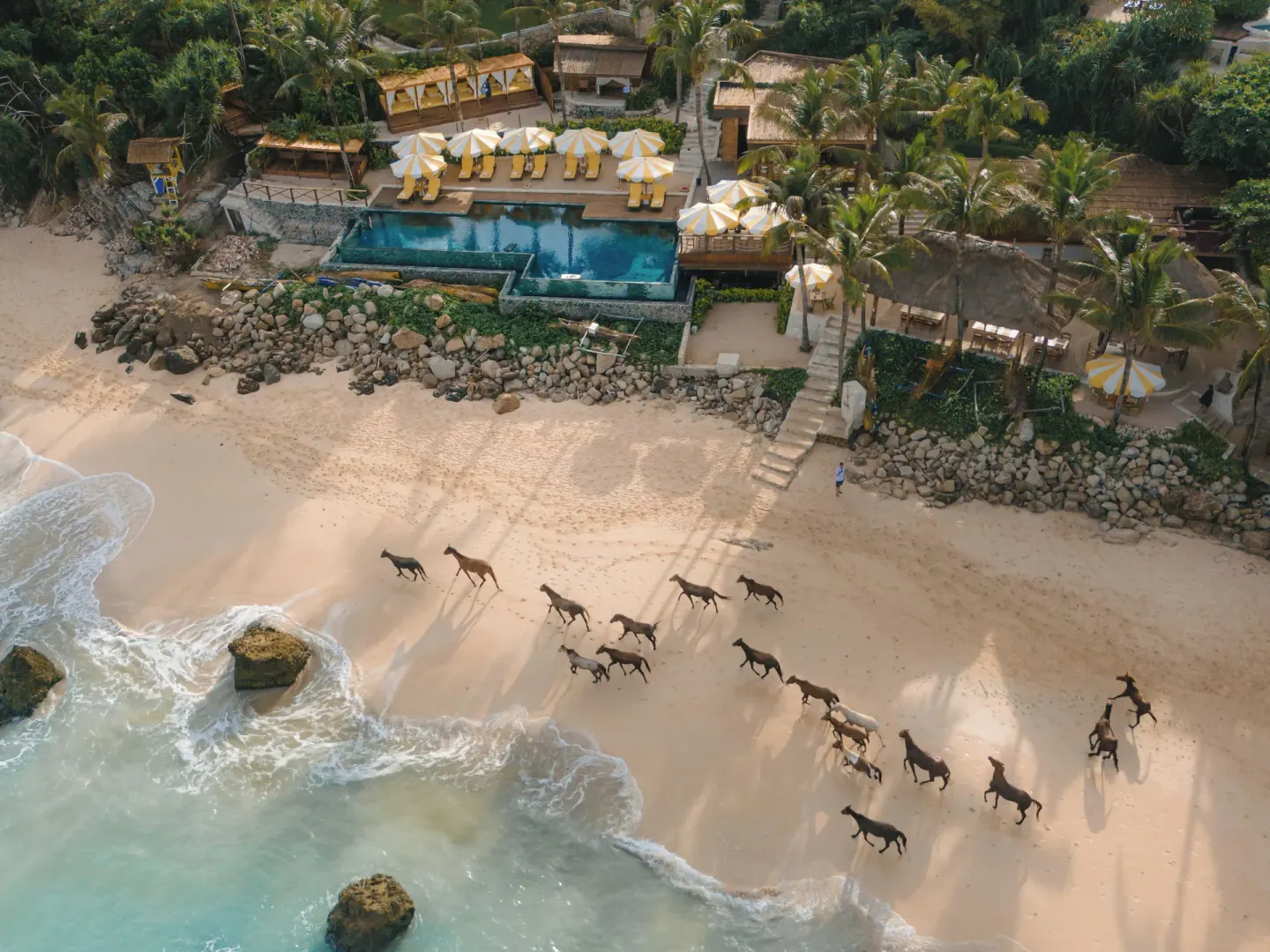
April can be a transitional month — rain decreases through April and May, with conditions improving for outdoor activities. By June the dry season is generally established across Sumba.
This window is useful if you want fewer crowds than peak months yet increasingly reliable beach and surf conditions. Road access improves as the landscape dries.
- April–May: good for waterfall views plus increasing beach days
- June: dry season conditions becoming consistent; better for surf and horse rides
- Booking note: outdoor excursions become more dependable; still confirm weather-sensitive activities
| Month | What to expect |
|---|---|
| April | Transitioning weather; some rain, improving road access |
| May | Drier days increase; good for both inland and beach activities |
| June | Generally dry; consistent beach and surf conditions |
July–September: most reliable months for beach, surf and riding
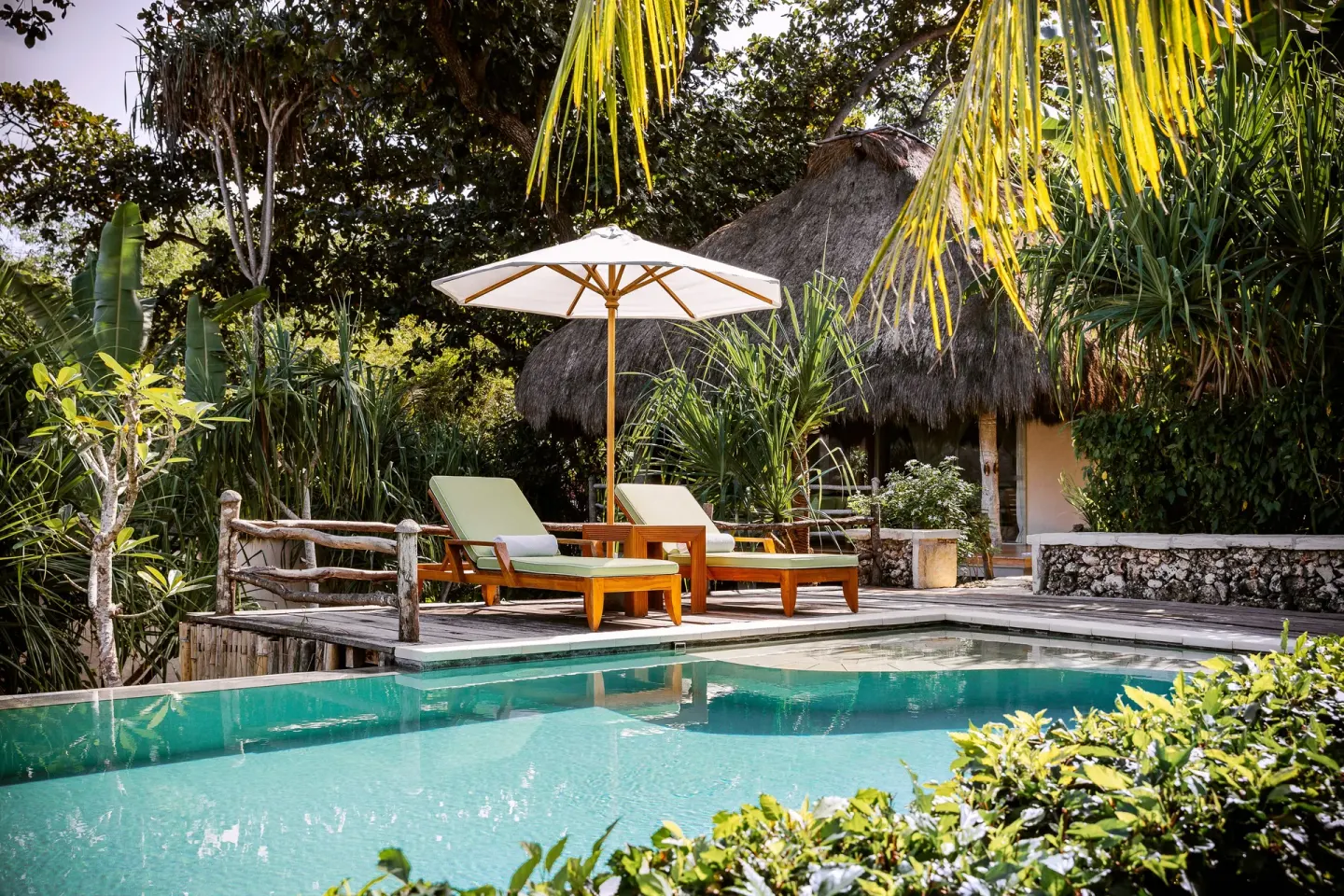
July–September are usually the most reliable months for sunny, dry weather, calm seas and firm sandy beaches — the best stretch if your priority is beach time, horseback beach rides and surf sessions at Occy's Left.
Expect the most predictable conditions for outdoor excursions (Weekuri Lagoon, Lapopu Waterfall day trips) and for the resort’s included non-motorized water sports such as paddleboarding and snorkeling when weather permits.
- Best for: beach riding, surfing, snorkeling, boat trips and long drives
- Crowds: generally higher than shoulder months but not all-inclusive linked occupancy data is provided here
- Tip: if you want a Kasambi Pool Villa or Raja Mandaka Room, reserve early for this window
| Activity | July–Sept suitability |
|---|---|
| Surf (Occy's Left) | High — consistent swell windows |
| Horseback Beach Ride & Swim | High — dry sand and stable tides |
| Snorkeling/paddleboarding | High when sea conditions are calm |
October–December: shoulder and early wet season
October may still offer many dry days early in the month, but by November–December the wet season usually resumes with increased rain and humidity. Expect more variability in transport times and excursion accessibility during these months.
If you’re aiming for lower-season rates or more villa availability, October and early November can be reasonable choices — just confirm activity schedules and local road conditions in advance.
- October: often a shoulder month with mixed conditions
- November–December: increasing rain, less predictable beach days
- Tip: spa experiences (Nihioka Spa) run daily but book treatments in advance — they are not included in the all-inclusive rate
| Month | Travel trade-off |
|---|---|
| October | Shoulder — decent chance of dry days, quieter resort |
| November | Wetter; excursions need flexibility |
| December | Highest rainfall months begin; plan indoor options |
Activities and timing: matching interests to months
Match activity choice to the season: surf and beach-focused stays work best in the dry months (May–October). For waterfall-focused photography and greener scenery, favor wet or transition months (Jan–Apr).
Many resort activities and facilities run year-round (three daily meals at Ombak Restaurant and Nio Beach Club, daily group yoga at 8 AM and 4:30 PM, kids’ club NIHI Wildlings), but the availability of water excursions and surf safaris can be weather-dependent.
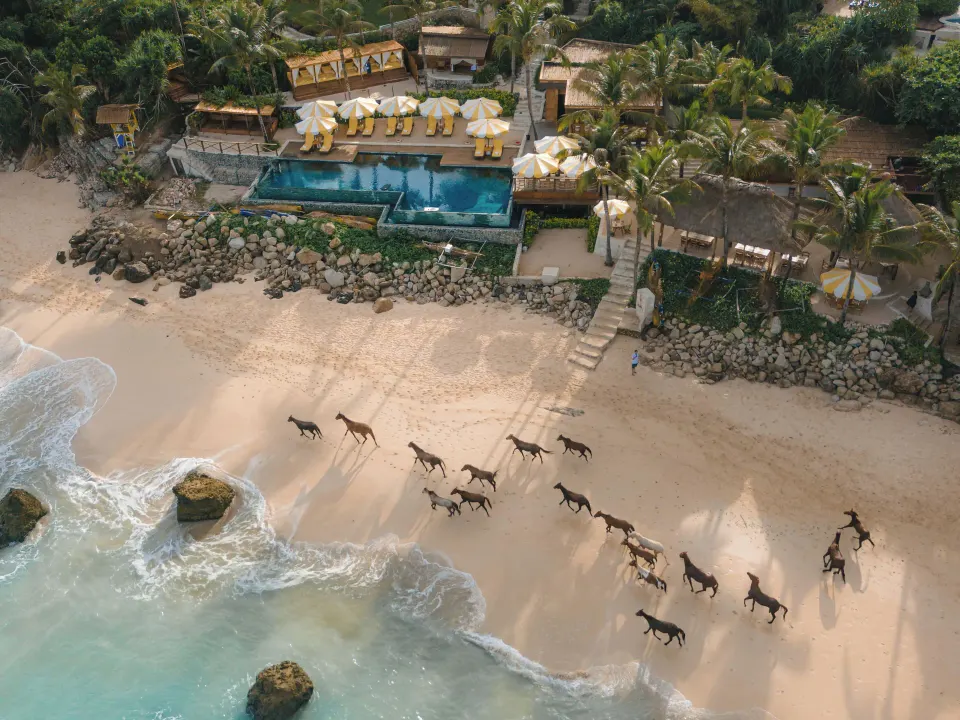
- Horseback Beach Ride & Swim: best in dry months when beach access is easiest
- Weekuri Lagoon and Lapopu Waterfall trips: good year-round but visually best during/after rains
- Spa Safari to Nihioka Beach: offered year-round but involves a 90-minute trek and weather can affect timing
| Interest | Recommended months |
|---|---|
| Surfing (Occy's Left, surfari) | May–September |
| Hiking/waterfalls | Feb–Apr (after/around rains) or May |
| Family beach days, kids activities (NIHI Wildlings) | May–Oct |
Practical planning tips
Transport and check-in: the nearest airport is Tambolaka (TMC); shared roundtrip airport transfers in an open-sided safari vehicle are included with the all-inclusive stay. Guests are asked to contact the property at least 72 hours before arrival to arrange check-in and airport pickup.
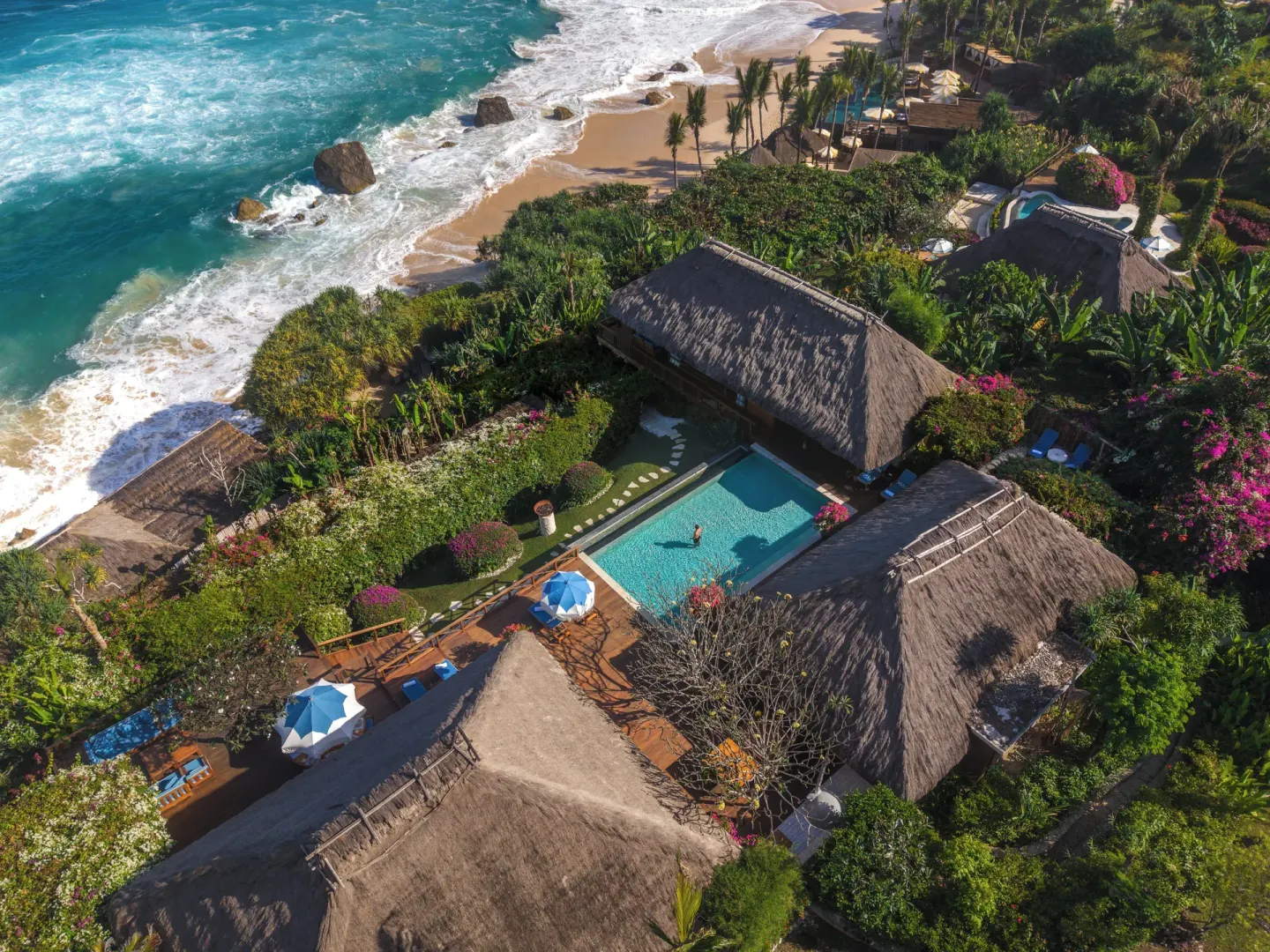
Accommodation and dining notes: NIHI Sumba offers many room types (for example Kasambi Pool Villa, Kanatar Room, Raja Mandaka Room). The all-inclusive package covers three meals daily at Ombak and Nio Beach Club, non-alcoholic drinks, minibar restock, laundry, Wi‑Fi and a nightly Happiest Hour with domestic beer and house wine; Kaboku omakase and spa treatments are extra.
- Check-in begins at 2:00 PM and the main guest must be at least 18 years old to check in
- Spa (Nihioka Spa) hours are 08:00–18:00 daily; Spa Safari experiences require advance booking
- Sumba is a malaria-risk area; the resort fogs grounds and provides mosquito nets — consult a doctor about prophylaxis if needed
- For booking assistance or questions, BookResorts agents are available 24/7 at +1 (888) 605-1350
| Service | Included or extra |
|---|---|
| Three daily meals at Ombak/Nio | Included |
| Kaboku seven-course omakase | Not included (advance booking required) |
| Spa treatments / Spa Safari | Extra charge |